
Signs Your Home May Need Small Adjustments
(Before It Becomes a Problem)
Most homes don’t suddenly become unsafe overnight. More often, they give us little hints—small annoyances or “I’ll deal with that later” moments—that quietly signal it might be time for a few simple adjustments.
For seniors, these changes are about staying comfortable and independent. For adult children, they’re about peace of mind and preventing emergencies before they happen. The good news? Many of these signs can be addressed with small, inexpensive fixes—long before they turn into big problems.
You’re Holding Onto Things More Than You Used To
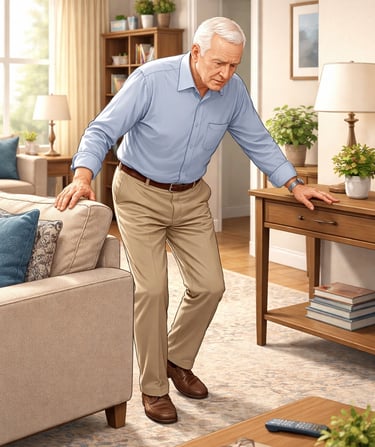
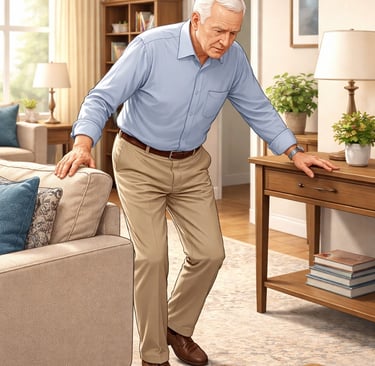
If you find yourself grabbing the counter, doorframe, or furniture for balance, that’s an important clue. It doesn’t mean something is “wrong,” but it may mean your home could use a little extra support—like a sturdy handrail, a grab bar in the bathroom, or better lighting where you walk most.
Stairs Feel Trickier Than They Used To
Maybe you’ve started avoiding the stairs unless you really need to, or you take them more slowly than before. Worn stair treads, loose railings, or dim lighting can make stairs feel more intimidating than they should. Small updates—like securing handrails or adding motion-sensor night lights—can make a big difference in confidence and safety.


The Bathroom Feels Slippery or Unsteady
Bathrooms are one of the most common places for falls, and often the signs show up early. A slick tub or shower floor, a toilet that feels low or hard to get up from, or a towel bar being used for balance are all gentle warnings. Non-slip surfaces and properly installed grab bars are simple changes that can prevent serious injuries later.


You’re Putting Off Small Repairs
That slow-draining sink, flickering light, loose step, or sticky door might seem harmless—but small issues have a way of compounding over time. What’s minor today can turn into a fall risk or a bigger repair later. Staying ahead of these fixes keeps the home safer and easier to live in.


Reaching or Bending Feels Risky
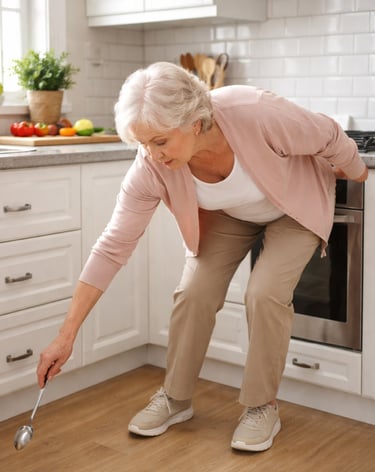
If changing a light bulb, reaching high shelves, or bending down to plug something in feels uncomfortable—or you’ve stopped doing it altogether—that’s a sign the home could be adjusted to fit you better. Sometimes it’s as simple as lowering frequently used items or improving lighting so you don’t have to stretch or strain.

You Feel Less Comfortable at Night
Getting up in the dark to use the bathroom or check on something shouldn’t feel stressful. If shadows, poor lighting, or dark hallways make nighttime movement feel risky, that’s an easy problem to solve with better lighting and clear walkways.


Family Members Are Starting to Worry
For adult children, concern often shows up before a major incident. If you’re noticing Mom or Dad moving more cautiously, skipping rooms of the house, or mentioning near-misses, trust that instinct. Addressing small safety concerns early helps everyone breathe easier.


Small Changes, Big Peace of Mind
Making small adjustments isn’t about giving up independence—it’s about protecting it. Most seniors want to stay in the homes they love, surrounded by familiar routines and neighbors. A few thoughtful updates can help make that possible for many more years.
Catching these signs early means fewer emergencies, fewer disruptions, and more confidence—for both seniors and the people who care about them. And often, it’s the little things that make the biggest difference.