Start With Better Lighting
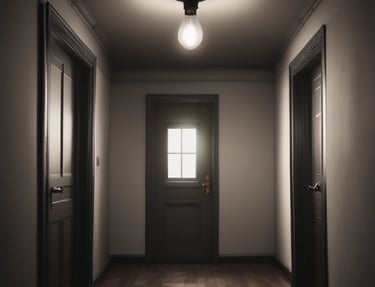
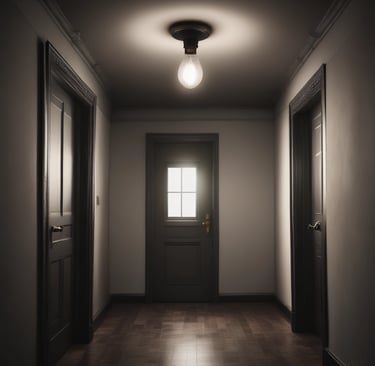
As we get older, our eyes need more light than they used to. Dim rooms, dark corners, and shadowy stairways make it easier to misjudge steps or miss obstacles.
Simple fixes include:
Adding brighter bulbs in hallways, kitchens, and stairways
Using motion-sensor night lights in bedrooms, bathrooms, and along stairs
Making sure light switches are easy to reach when entering a room
Being able to clearly see where you’re walking is one of the easiest ways to reduce falls.
Simple Home Changes That Help Prevent Falls
(Without Major Remodeling)
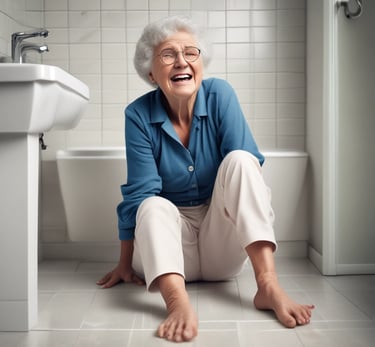
Most falls at home don’t happen because something dramatic goes wrong. They usually happen because of everyday things—poor lighting, slippery surfaces, or something small that’s just a little harder to manage than it used to be.
The good news? Preventing falls doesn’t mean tearing your house apart or turning it into a medical-looking space. Small, thoughtful changes can make a big difference—often using what you already have.
Make Floors Less Slippery
Slips are one of the most common causes of falls, especially in bathrooms, kitchens, and entryways.
A few easy changes:
Use non-slip mats in the bathtub and shower
Secure throw rugs with non-slip backing—or remove them entirely
Clean up spills right away and avoid high-gloss floor products
If your feet feel unsure on a surface, your body knows it. A little extra grip goes a long way.
Use Support Where You Naturally Reach
Most people don’t fall in the middle of a room—they fall while standing up, sitting down, or trying to steady themselves.
Helpful additions can include:
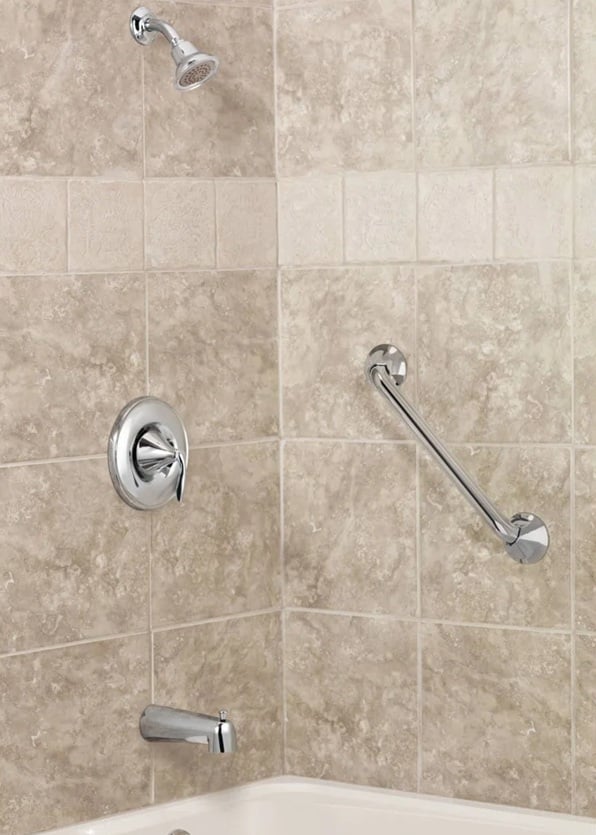
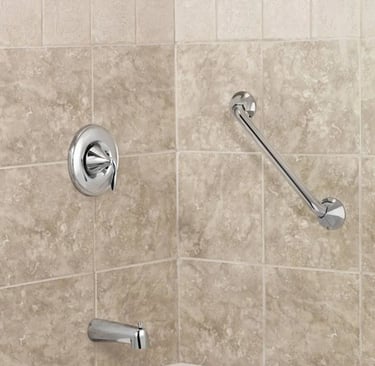
Sturdy grab bars near the shower, tub, and toilet
Secure handrails on both sides of stairways
Making sure existing handrails are firmly attached
These aren’t signs of weakness. They’re smart tools that help you stay confident and steady.
Make Bathrooms Safer
Bathrooms are one of the most common places for falls, mostly because water and smooth surfaces don’t mix well.
Simple improvements include:
Non-slip strips or mats in the tub or shower
A stable shower chair if standing feels tiring
Making sure towels and toiletries are within easy reach
Small changes here can greatly reduce the risk of a sudden slip.
Reduce Clutter and Tripping Hazards
Sometimes the biggest risks are the things we’ve learned to step around without even thinking about them.
Take a look for:
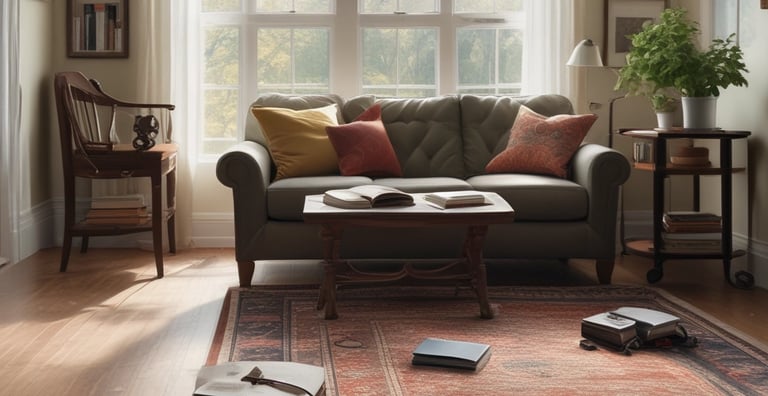
Electrical cords running across walkways
Small furniture that’s easy to bump into
Items stored on the floor or stairs
Shoes, bags, or mail that tend to pile up near doorways
Clearing walking paths doesn’t change how your home feels—it just makes it safer.
Choose Stability Over Reaching
Reaching up or bending down can throw off balance, especially if you’re holding something.
Consider:
Keeping frequently used items between waist and shoulder height
Using a sturdy step stool with a handhold instead of a chair
Avoiding climbing when possible—ask for help when needed
Staying grounded keeps you safer than stretching just a little too far.
The Big Picture
Preventing falls isn’t about fear. It’s about staying comfortable, confident, and independent in the home you know and love.
Most of these changes are:
Low-cost
Easy to install
Unobtrusive
Highly effective
And often, they’re things people wish they had done before a close call.
A safer home doesn’t have to look different. It just needs to work a little better for you—quietly, comfortably, and every day.

